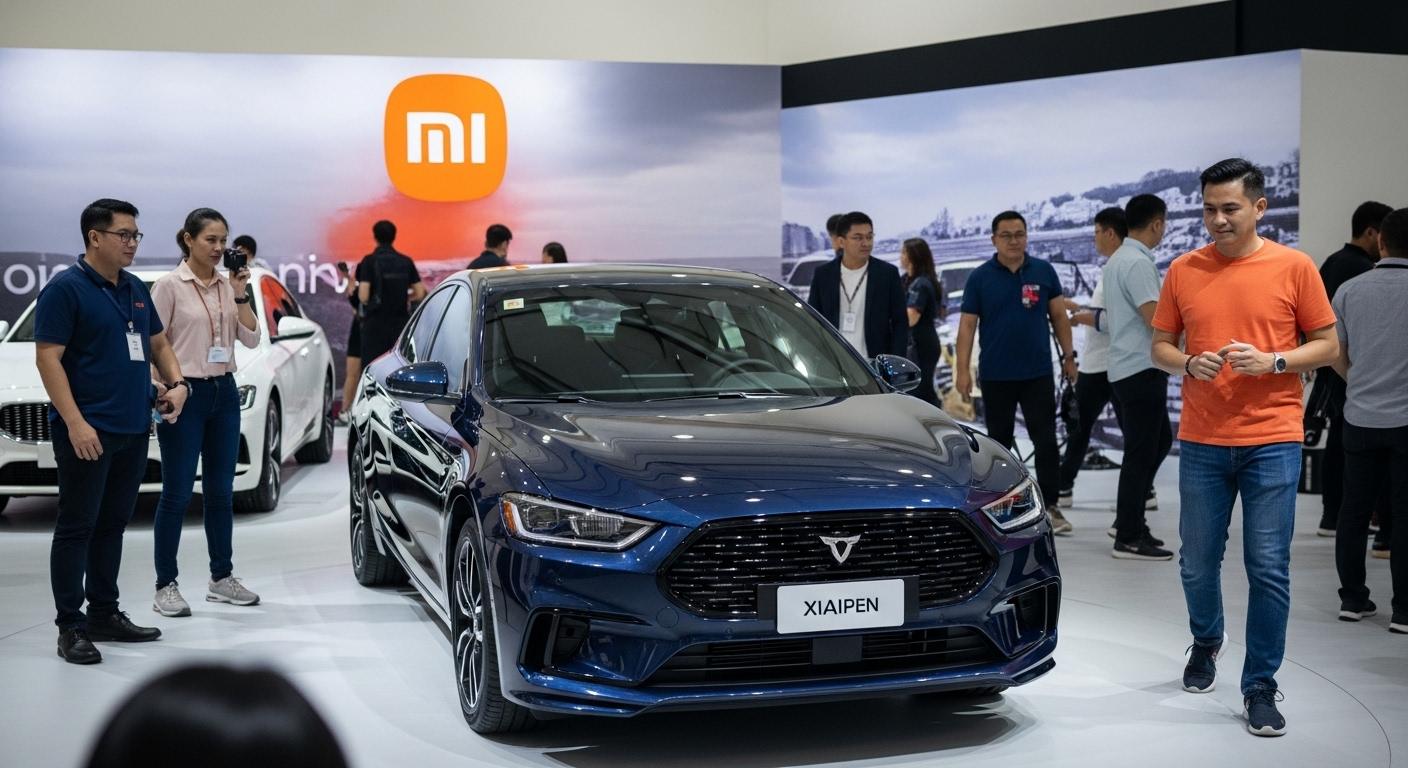
Xiaomi automotive concept car in a Philippine cityscape with connected devices
Updated: April 8, 2026
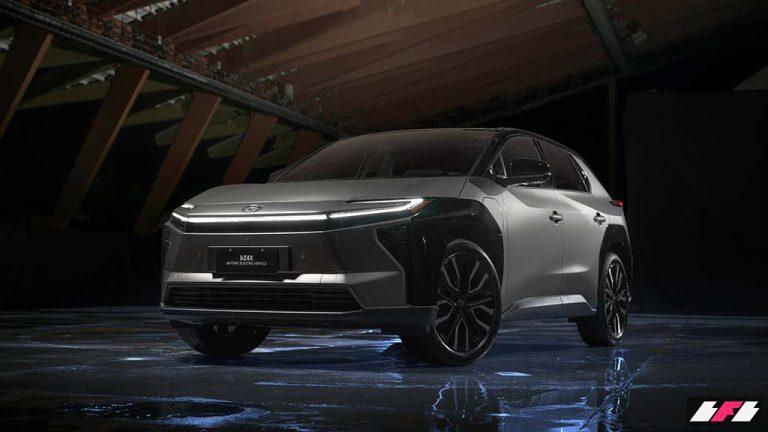
In the Philippines, the auto market has long looked to Toyota as a bellwether for demand, supply chain health, and the pace of urban mobility. For toyota Automotive Philippines, the convergence of import duties, dealer economics, and regional sourcing is not merely a corporate story but a lens on how households access mobility, how fleets replace aging assets, and how tech trends reach local showrooms. This analysis ties recent reporting on import dynamics to broader market signals to map plausible paths for pricing, availability, and technology uptake in the coming year.
Market Context and Import Dynamics
The Philippine auto market has long tied its pulse to Toyota, using the brand as a signal for demand and resilience of the supply chain. Recent industry reporting places Toyota Philippines among the top auto importers, accompanied by substantial import duties. For example, InsiderPH highlighted Toyota Philippines as the second-largest auto importer, with duties that run into tens of billions of pesos, underscoring how policy and currency shifts can ripple through consumer prices and dealer stocking decisions.
That importer heft gives Toyota leverage not just in pricing negotiations but in coordinating supply-chain responses to global disruptions, currency swings, and component shortages that affect model availability. The result is a market where a single brand’s import posture can shift what is affordable in a given quarter and how quickly a new model or variant reaches local sales floors.
Competitive Dynamics and Pricing Pressures
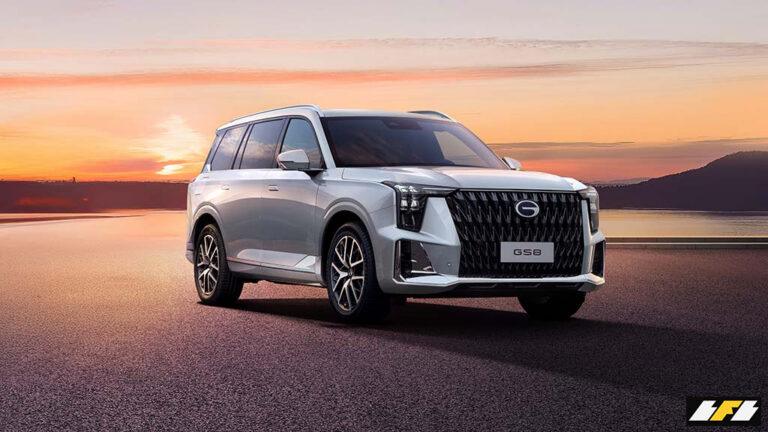
Beyond the established players, the Philippines is seeing a broader slate of entrants that test pricing and feature value against traditional volume leaders. BYD’s Denza brand has entered the market, signaling a more diversified set of BEV options, while GAC Philippines has showcased a strong 2026 lineup at dealer conferences. These moves imply that price competitiveness, warranty depth, and aftersales network increasingly influence buyer choice, potentially compressing some of Toyota’s traditional pricing cushion if supply tightens or if new models offer compelling value propositions.
In this environment, consumer financing terms, aftersales service reach, and the availability of spare parts become as important as sticker price. The competitive dynamic is no longer a simple price race; it is a test of total ownership value, long-term reliability, and access to latest safety and connectivity features that younger buyers expect as standard.
Implications for Consumers and Tech Enthusiasts
Filipino buyers face a mix of price trajectories, financing possibilities, and long-run maintenance costs. The growth of electrification in the region depends on policy signals, charging infrastructure, and local capabilities to support the full lifecycle of vehicles—from assembly and parts supply to service networks. For tech enthusiasts, the market increasingly rewards connectivity, software updates, and data-enabled features that improve efficiency, safety, and user experience. Toyota and its peers must balance the economics of large-volume imports with the rhetoric of localization and sustainability to keep ownership affordable while meeting evolving customer expectations.
As EV incentives emerge or evolve, buyers will weigh upfront costs against operating savings, charging availability, and resale value. The coming year could see shifts in incentives, tax policy, and dealer financing that tilt affordability toward or away from new-energy options, influencing whether a broader segment of Philippine drivers moves to electrified mobility sooner or later than current forecasts suggest.
Policy Signals, Localization, and Future Scenarios
Policy dialogue around localization, local assembly, and supplier diversification will shape the speed and trajectory of the market. If incentives favor local CKD assembly and parts localization, carmakers may improve spare parts availability and reduce service downtime, with positive effects on ownership costs. At the same time, the evolution of charging infrastructure, grid readiness, and consumer awareness will determine how quickly EVs become a feasible mainstream choice. Scenario planning points to several potential paths: a moderate EV uptake by the end of the decade with continued reliance on traditional models for most buyers, or a faster shift if incentives and infrastructure align with consumer expectations.
In this framing, the Philippine market is less about a single brand’s destiny and more about how policy, currency movements, and dealer ecosystems interact to shape access to mobility. The coming 24 months will test whether the market can sustain investment in new models and services while maintaining affordability for a broad base of buyers, including fleet operators that drive urban mobility and small-business logistics.
Actionable Takeaways
- Monitor changes in import duties and tariff policies that could affect vehicle prices and model availability.
- Evaluate potential localization and CKD assembly plans, which can influence spare parts supply and service costs.
- Track EV incentives, charging infrastructure development, and national energy policies as they shape electrified-mobility timelines.
- Observe competitive moves by Denza (BYD) and other entrants to understand how feature sets and warranties shift value propositions.
- Communicate clearly with consumers about total cost of ownership, including financing, maintenance, and resale value, to set realistic expectations in a shifting market.