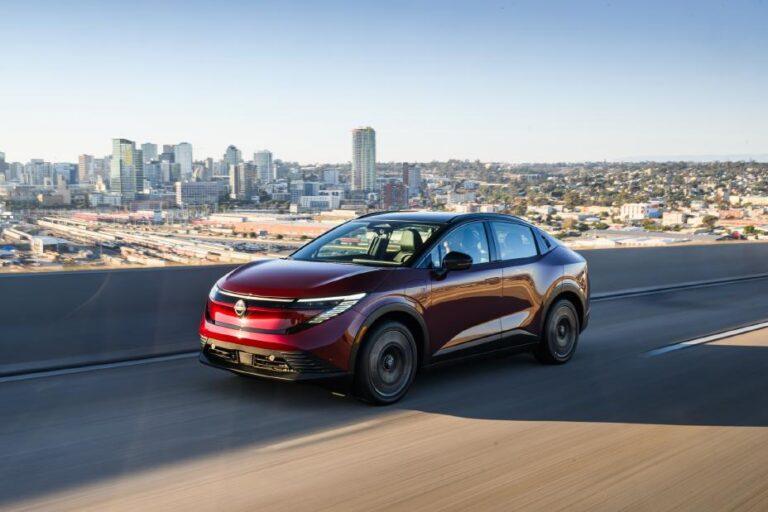
Navigating the Challenges of the Philippine Automotive Market in 2026
As car sales in the Philippines experience a significant decline, industry stakeholders must adapt to evolving consumer preferences and economic challenges to revitalize the sector.
Navigating the Challenges of the Philippine Automotive Market in 2026
Updated: April 8, 2026
Current State of Car Sales in the Philippines
In January 2026, the Philippine automotive market faced a notable setback, with car sales dipping by 10%. According to the Chamber of Automotive Manufacturers of the Philippines, Inc. (CAMPI), just over 35,000 vehicles found new owners during this month. This decrease reflects a growing trend of volatility within the sector, raising questions about the sustainability and future trajectory of car sales in the country.
Understanding the Driving Forces Behind Sales Decline
The reasons for this decline are multifaceted. Economic factors such as inflation and fluctuating fuel prices have led consumers to reconsider their purchases. Additionally, the rise of alternative transportation methods and a heightened awareness of environmental concerns have shifted priorities for many potential car buyers.
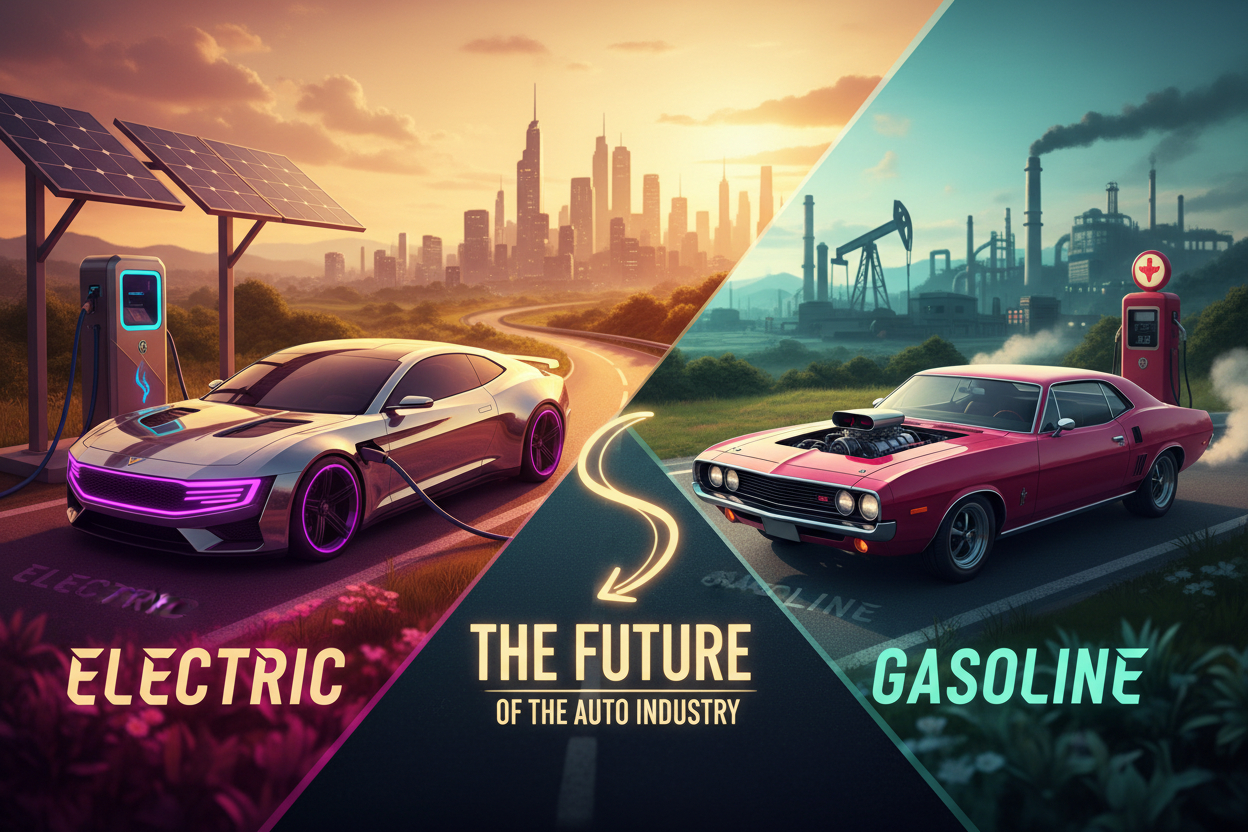
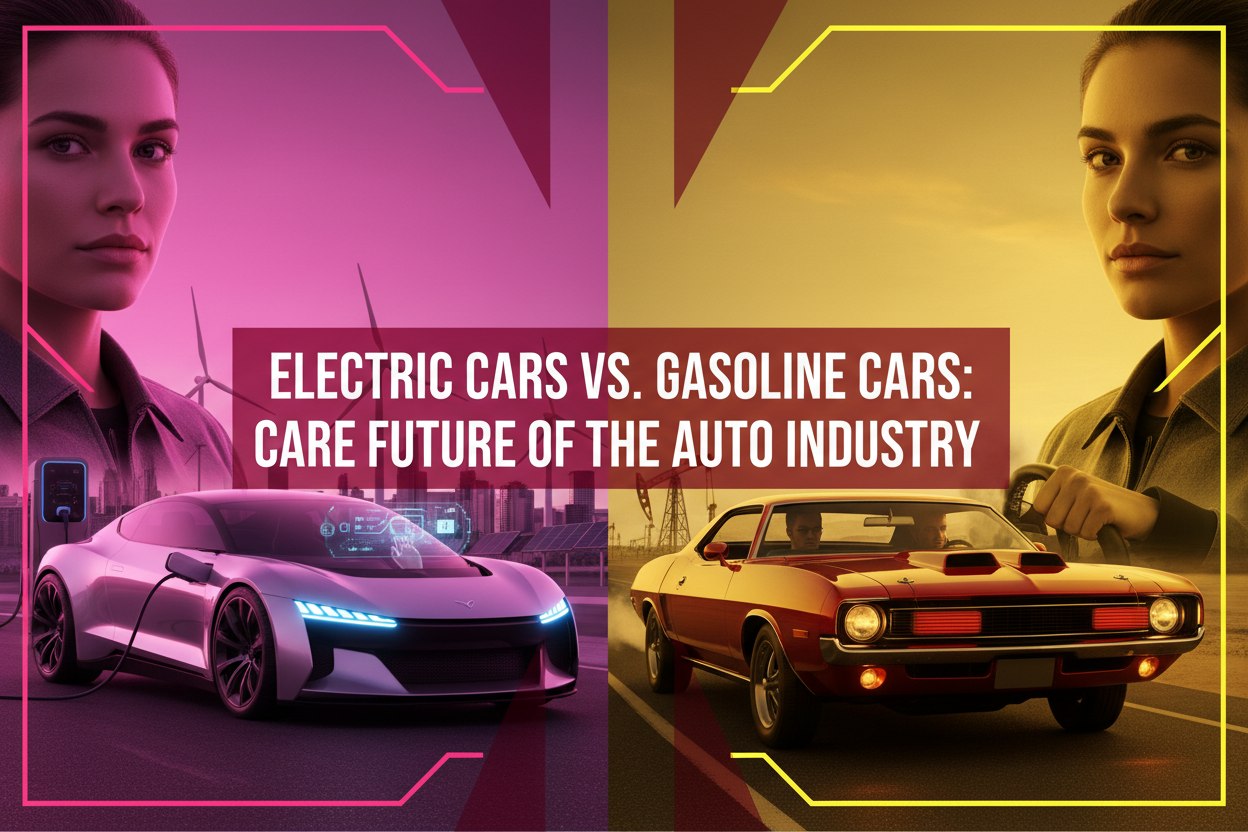
Furthermore, the COVID-19 pandemic has had lingering effects on consumer behavior, pushing many individuals to seek more economical and sustainable modes of transport. As a result, there is a growing demand for electric vehicles (EVs) and hybrid models, categories that are still gaining traction in the Philippine market.
Impact on the Automotive Industry
This decline in sales has not only affected dealerships but also the entire automotive supply chain in the Philippines. Manufacturers are facing increased pressure to innovate and adapt to changing consumer preferences. Traditional car models are being scrutinized, and manufacturers must pivot towards producing more environmentally friendly options to capture a share of the evolving market.
Future Opportunities Amidst Challenges
Despite the current downturn, there are opportunities for growth in the Philippine automotive industry. The upcoming Manila International Auto Show (MIAS) in 2026, now with a second venue at the Philippine Trade Training Center, is an example of how stakeholders are attempting to re-engage consumers. This event will showcase new technologies and models, aiming to ignite interest among potential buyers.
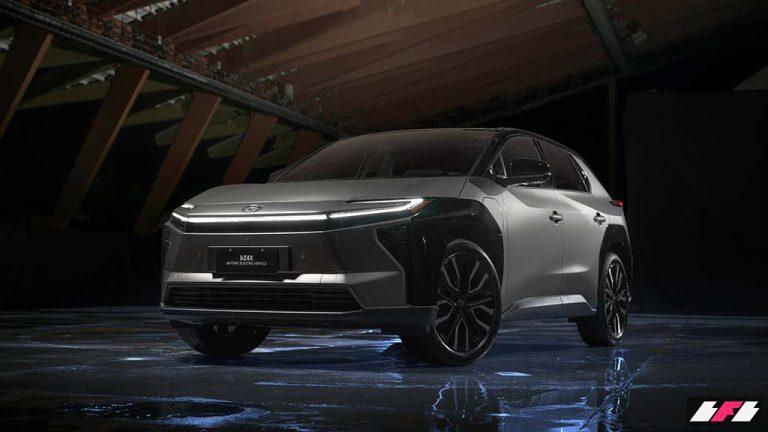
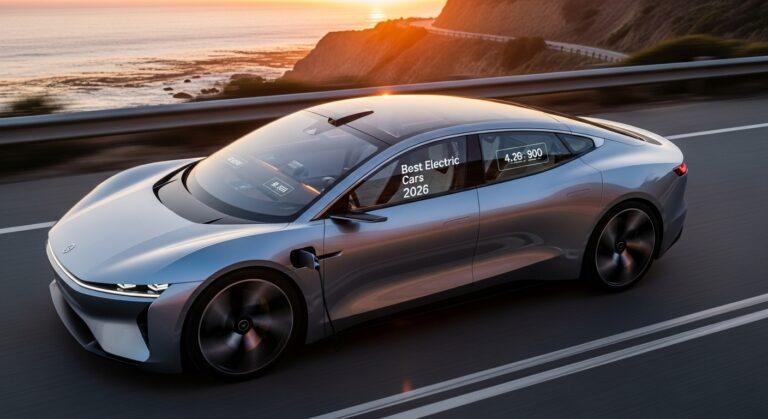
Moreover, with the government’s push towards greener initiatives, the automotive sector may benefit from incentives for EV production and purchase. As local manufacturers align with global trends towards sustainability, they may discover new markets and avenues for growth.
Consumer Adaptation and Market Shifts
As the market evolves, consumer behavior will continue to shift. Today’s car buyers are more informed and considerate of the total cost of ownership, including maintenance, fuel efficiency, and resale value. Automotive companies must invest in understanding these new consumer dynamics to tailor their offerings accordingly.
Takeaway: Navigating the Road Ahead
The current landscape of the Philippine automotive market may seem challenging, but it also presents a unique opportunity for innovation and renewal. Manufacturers and dealers should focus on understanding consumer preferences, investing in EV technology, and participating in trade events to showcase their commitment to evolving alongside the market.