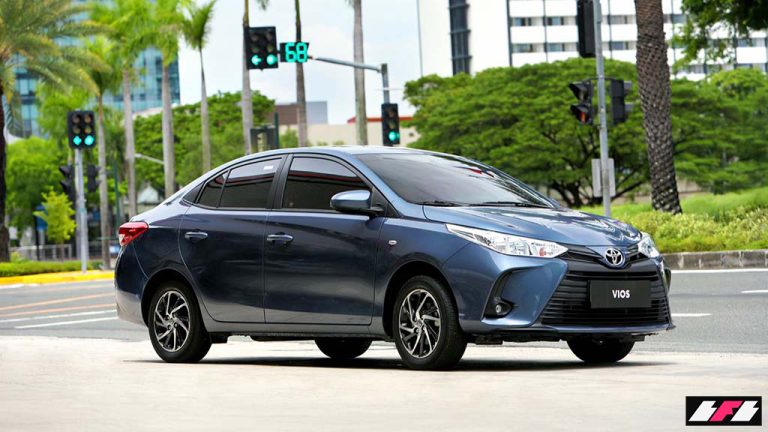
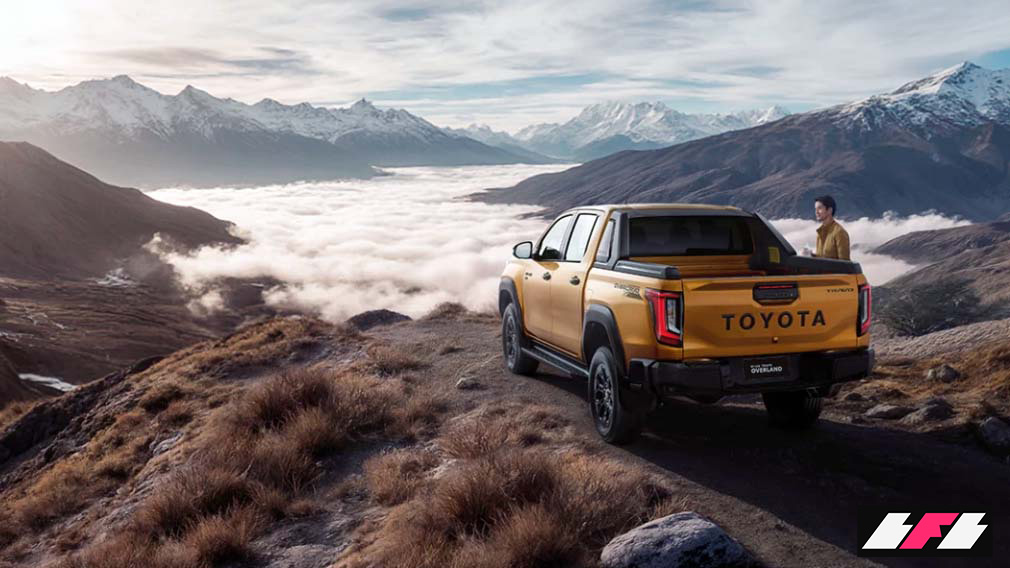
Toyotas have a reputation for being boring. They’re nice commuter cars and all, but they’re not exactly the ones that quicken the pulse. It’s a status that most other car brands will shun away from, but not Toyota. Toyota knows that boring can be good; that boring can be a brand.
At the foundation of every Toyota isn’t the flashiest design or the latest technology. They could be, but they could be entirely optional. It’s a perceived weakness Toyota’s rivals love to pounce on. These brands love to throw technical jargon—things like thermal efficiency, extremely high body rigidity, and even stupendous range. Some even resort to using some highfaluting terminology to describe their design or engineering. Ultimately, however, they look good only on paper.
On the other hand, Toyota does something different. Instead of focusing simply on numbers, percentages, or some other kind of mumbo-jumbo, they’ve gone for a simpler creed: Quality, Durability, and Reliability or QDR. It sounds all so simple, but it’s something they’ve nurtured and cultivated for close to 90 years. QDR are intangible traits; something the human senses cannot easily perceive. Yet, it’s found in the DNA of every vehicle they build. Others may not see these traits as worth highlighting on a product brochure, but Toyota sees otherwise. Toyota sees them as universal, timeless, and above all, genuine.
It’s for this reason how Toyota has managed to ingrain itself in culture across generations; that they’ve become a brand synonymous with trust. Whether it’s your lolo and lola, your father and mother, your sibling, or maybe your children—chances are they’ve ridden or owned a Toyota, and they’ve come to depend on them.
Toyota isn’t just a car brand, it’s now become a means for people to explore, to work, and to connect; they’ve become elevated, becoming a trusted partner in improving lives. Whether it’s the daily trips to school or work; whether it’s for that special excursion or a means for a living, mobility can be profound. This is often taken for granted, but ask anyone who’s bought their first car—new or used—and you’ll find that it’s often transformative.
Toyota realizes that understanding and responding to customers’ needs is vital. From day one, Toyota didn’t simply focus on numbers. It focused on its customers. When they started producing the Type G1 Truck in 1935, it suffered breakdown after breakdown. Instead of ignoring the faults, Kiichiro Toyoda himself rushed to the scene each time. Kiichiro understood the importance of going to see things for oneself to understand the circumstances of a vehicle’s breakdown with a desire to improve.
That same energy flows in the Hilux, helping keep it relevant, dependable, and ground in real needs. The first Hilux was created to empower people and enrich communities. And with every generation, it continues to be shaped by the roads and environments it traverses in, but most of all, it’s shaped by the voices of its customers.
The Hilux has continuously evolved in step with the changing context of society and the world. Toyota has listened—to the miners who demanded toughness, to families seeking greater comfort, to fleet owners who valued fuel economy, and to young adventurers who wanted design and technology that suit their lifestyles. The result is a vehicle people can always rely on—connecting them to opportunities by being strong, simple, and built to last.
And the story of the Hilux doesn’t end here—in fact, it’s a story that’s never done. While others seek only to better themselves, sometimes at the expense of caring about what customers need and require, Toyota listens. For as long as customer needs continue to evolve, the Hilux will keep evolving alongside them, to serve communities across the globe from Australia, South America, and South Africa, to Europe and Asia. It is, and will always remain true to its unchanging promise of being everyone’s life partner.


About the Author