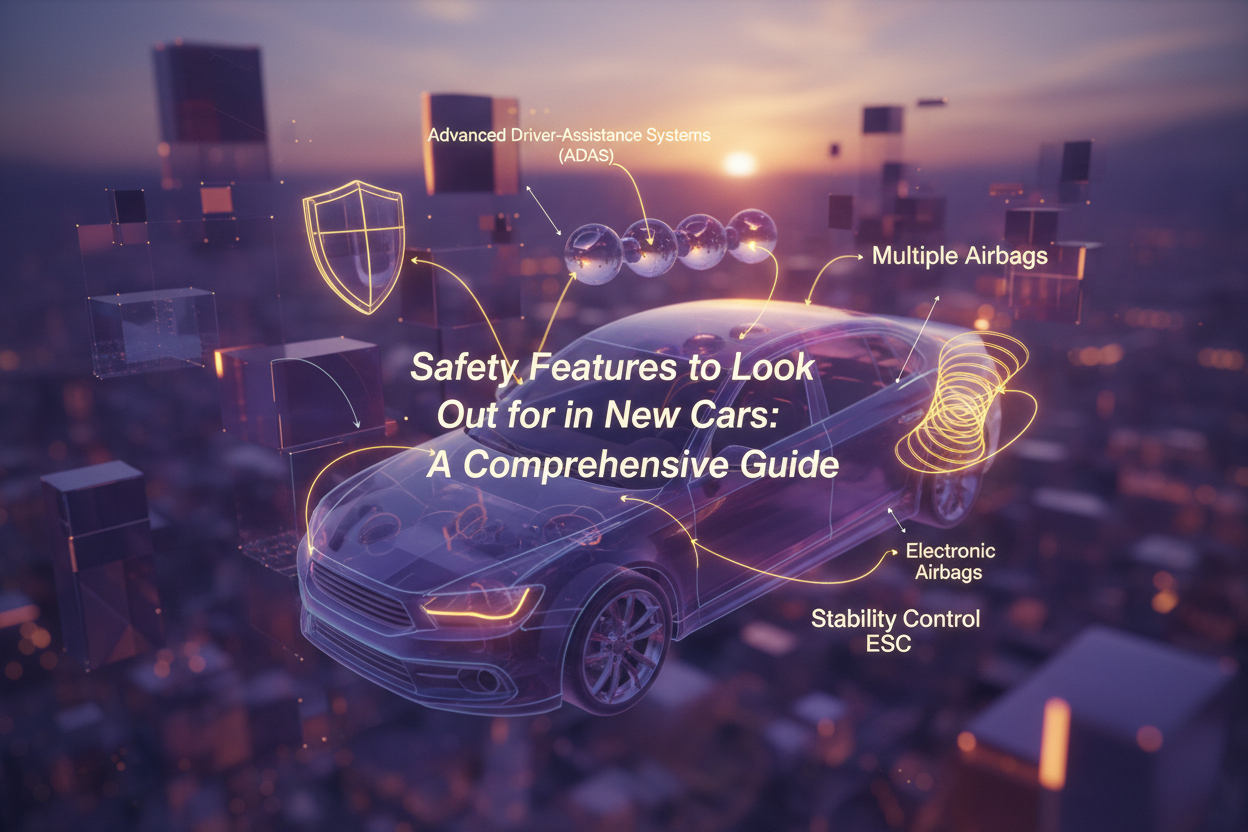
Safety Features to Look Out for in New Cars: A Comprehensive Guide
In the fast-paced world of automotive technology, safety remains a top priority for consumers and manufacturers alike. As the industry advances, new cars are equipped with state-of-the-art safety features designed to protect passengers and reduce accidents. Understanding these features can be crucial for making an informed purchase decision. This comprehensive guide explores the essential safety features to consider when buying a new car, providing insight into the latest technologies and trends.
1. Advanced Driver-Assistance Systems (ADAS)
Advanced Driver-Assistance Systems (ADAS) are increasingly common in new vehicles, offering a range of technological solutions to enhance driver safety. These systems utilize sensors, cameras, and other technologies to assist drivers in various driving conditions. Some of the most prominent ADAS features include:
- Adaptive Cruise Control (ACC): ACC automatically adjusts the vehicle’s speed to maintain a safe distance from the car in front. It reduces driver fatigue and enhances comfort during long journeys.
- Lane Departure Warning (LDW) and Lane Keeping Assist (LKA): LDW alerts drivers if they unintentionally drift out of their lane, while LKA can actively steer the vehicle back into the correct lane, reducing the risk of collisions.
- Blind Spot Detection (BSD): BSD systems monitor areas that are difficult for drivers to see, alerting them to vehicles in adjacent lanes, which is particularly useful during lane changes.
- Automatic Emergency Braking (AEB): AEB systems detect potential collisions and apply the brakes automatically if the driver fails to respond in time, helping to prevent accidents.
These systems are crucial in reducing human error-related accidents, enhancing overall driving safety. To learn more about the benefits of ADAS, explore resources such as the Insurance Institute for Highway Safety’s ADAS overview.
2. Airbag Systems
Airbags have been a staple in automotive safety for decades, but recent advancements have improved their effectiveness and coverage. Modern vehicles are equipped with multiple airbags, including front, side, curtain, and knee airbags, providing comprehensive protection during collisions.
Advanced airbag systems use sensors to determine the severity of an impact and deploy airbags accordingly. Some systems adjust the deployment force based on the size and position of the occupant, minimizing injury risk. Research from organizations like the National Highway Traffic Safety Administration highlights the life-saving potential of these systems.
3. Structural Integrity and Crashworthiness
The structural integrity of a vehicle plays a significant role in protecting occupants during an accident. Automakers are continually improving the crashworthiness of their vehicles by using high-strength materials and innovative design techniques. Key elements include:
- Crumple Zones: These areas of a vehicle are designed to deform and absorb energy during a collision, reducing the force transmitted to occupants.
- Reinforced Passenger Cells: A strong passenger cell maintains its shape during an impact, preventing intrusion into the cabin and protecting occupants.
- Roof Strength: A robust roof structure is essential for protecting occupants in rollover accidents, ensuring minimal deformation and maintaining visibility.
Evaluating a vehicle’s crash test ratings from trusted organizations such as Euro NCAP can provide valuable insights into its safety performance.

4. Tire Pressure Monitoring Systems (TPMS)
Tire Pressure Monitoring Systems (TPMS) have become a standard feature in many new vehicles, helping drivers maintain optimal tire pressure. Properly inflated tires are crucial for vehicle stability, fuel efficiency, and reducing the risk of blowouts.
TPMS alerts drivers when tire pressure falls below recommended levels, ensuring timely maintenance and enhancing overall safety. Understanding how TPMS works and its importance can be further explored through resources like the Tire Rack’s TPMS guide.
5. Child Safety Features
For families, child safety features are a critical consideration when purchasing a new car. Modern vehicles offer various solutions to ensure the safety of young passengers, including:
- ISOFIX/LATCH Anchor Points: These standardized anchor points facilitate the easy and secure installation of child seats, ensuring optimal safety for young passengers.
- Rear Door Child Locks: These locks prevent children from accidentally opening rear doors while the vehicle is in motion, adding an extra layer of security.
- Rear Seat Reminder Systems: These systems alert drivers to check the rear seats before exiting the vehicle, helping prevent incidents of children being left unattended in the car.
Parents can benefit from understanding the latest child safety technologies and their significance in protecting young passengers.
6. Night Vision and Adaptive Lighting

Driving at night poses unique challenges, and modern vehicles are equipped with features to enhance nighttime driving safety. Night vision systems use infrared cameras to detect pedestrians, animals, and other obstacles in low-light conditions, displaying the information on the dashboard for the driver.
Adaptive lighting systems, including adaptive headlights and high-beam assist, adjust the intensity and direction of the light based on driving conditions. These technologies significantly improve visibility and reduce glare, enhancing nighttime driving safety.
Further exploration of these technologies can be found through resources like the Consumer Reports’ lighting guide.
Takeaways
Safety features in new cars are continuously evolving, providing drivers and passengers with unprecedented protection and peace of mind. From advanced driver-assistance systems to enhanced structural integrity, modern vehicles are equipped with technologies that significantly reduce the risk of accidents and injuries. By understanding these features and their benefits, consumers can make informed decisions when purchasing a new car, ensuring they choose a vehicle that meets their safety needs.
Staying informed about the latest safety innovations and utilizing resources from trusted organizations can help drivers stay ahead in the ever-evolving automotive landscape. As technology advances, the future of automotive safety promises even greater innovations, paving the way for safer roads and a better driving experience for all.
7. Driver Monitoring Systems
Driver Monitoring Systems (DMS) are becoming more prevalent in new vehicles, focusing on the driver’s behavior to enhance safety. These systems use cameras and sensors to monitor signs of driver fatigue or distraction. By analyzing eye movement, head position, and even heart rate, DMS can detect when a driver is losing focus or becoming drowsy.

When such behavior is identified, the system may alert the driver through visual or auditory warnings, encouraging them to take a break or refocus on the road. Some advanced systems can even take corrective actions, such as adjusting steering or reducing speed to prevent accidents. Understanding the capability of DMS can be crucial for drivers who spend long hours on the road.
8. Vehicle-to-Everything (V2X) Communication
Vehicle-to-Everything (V2X) communication is an emerging technology that enables vehicles to communicate with each other and with infrastructure, such as traffic lights and road signs. This network of communication helps to mitigate traffic congestion, reduce accidents, and improve overall road safety.
V2X encompasses various forms of communication, including Vehicle-to-Vehicle (V2V), Vehicle-to-Infrastructure (V2I), and Vehicle-to-Pedestrian (V2P). These technologies provide real-time data on traffic conditions, allowing drivers to make informed decisions and avoid potential hazards. As this technology becomes more widespread, it promises to revolutionize the way vehicles interact with their environment.
9. Electronic Stability Control (ESC)
Electronic Stability Control (ESC) is a vital safety feature that helps drivers maintain control of their vehicle during extreme steering maneuvers. By automatically applying brakes to individual wheels, ESC assists in preventing skidding and loss of control, especially on slippery or uneven surfaces.
ESC works in tandem with other safety systems such as Anti-lock Braking Systems (ABS) and Traction Control Systems (TCS), providing a comprehensive approach to vehicle stability. Understanding how ESC functions can provide drivers with confidence in challenging driving conditions.
10. Heads-Up Display (HUD)
Heads-Up Displays (HUD) offer a futuristic approach to keeping drivers informed without taking their eyes off the road. By projecting critical information such as speed, navigation, and safety alerts onto the windshield, HUDs allow drivers to stay focused on driving while receiving real-time data.

These displays can be customized to show only the most relevant information, minimizing distractions. As HUD technology continues to advance, it offers a seamless integration of safety and convenience, enhancing the overall driving experience.
The Future of Automotive Safety
The automotive industry is on the brink of significant advancements in safety technology. As autonomous vehicles become a reality, the integration of cutting-edge safety features will continue to play a crucial role in shaping the future of transportation. From artificial intelligence to machine learning, the possibilities are endless, promising safer roads and a reduction in human error-related accidents.
Consumers can stay informed about these developments by exploring resources from leading automotive research and safety organizations. By understanding the potential of future technologies, drivers can anticipate the next steps in automotive safety and prepare for a new era of driving.
Takeaways
The landscape of automotive safety is constantly evolving, with new technologies offering unprecedented levels of protection and assistance to drivers. From advanced driver-assistance systems to cutting-edge communication technologies, the features outlined in this guide represent the forefront of safety innovation in the automotive industry.
As consumers consider purchasing new vehicles, understanding these safety features and their benefits is essential. By staying informed and choosing vehicles equipped with the latest safety technologies, drivers can ensure a safer and more enjoyable driving experience for themselves and their passengers.
The road ahead is promising, with continued advancements in safety technology paving the way for a future where accidents are minimized, and road safety is maximized. By embracing these innovations, we move closer to a world where driving is not only convenient but also exceptionally safe.
About the Author