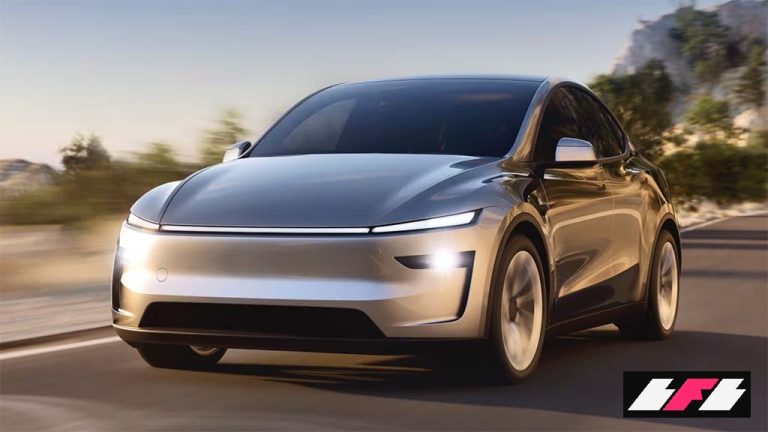

denza Automotive Philippines faces a market that blends price sensitivity with a growing appetite for electric mobility, complicating whether premium Denza D9 DM-i MPV can scale quickly beyond early adopters. The Philippines presents both opportunity and friction: a young, urbanizing population, a repackaged EV value proposition, and a transport sector still dominated by internal combustion vehicles.
Market Context: EV Readiness and Consumer Psychology
In the Philippines, EV adoption is shaped by urban density, commuting patterns in Metro Manila and major hubs, and the reality of inter island travel. While policy signals encourage electrification, consumer decisions hinge on total cost of ownership, battery reliability, and the availability of service and charging networks. Denza’s market entry anchored by the D9 DM-i MPV tests whether a premium hybrid offers a credible path to cost efficiency for families and urban professionals.
Analysts note that early EV interest concentrates in cities with more stable power supply and better charging access. For Denza, success will depend on translating a global value proposition into Philippine realities: dependable aftersales support, warranties on battery and drive components, clear maintenance pathways, and a predictable service network that minimizes downtime.
Product Strategy and Local Fit
Product strategy centers on a DM i hybrid architecture aimed at balancing electric drive with gasoline range for longer trips. In the Philippine setting this structure may ease range anxiety while accommodating gaps in fast charging infrastructure. Denza can position the D9 DM-i MPV as a family vehicle that blends interior space, ride comfort, and refinement with an ownership proposition that reduces frequent battery state of charge concerns for daily use.
Local fit hinges on affordability through financing and the perceived longevity of warranties. After sales support for EV systems remains a critical differentiator. Denza will also need to articulate service intervals and parts availability across major urban centers to deter potential buyers from sticking with traditional ICE options despite environmental considerations.
Competitive Landscape and Adoption Barriers
The Philippine automotive market still leans toward established brands with wide dealership networks and proven service reliability. EV entrants must contend with limited charging infrastructure, high upfront costs, and consumer skepticism about long term battery performance. Denza will compete by stressing total cost of ownership advantages and by leveraging financing programs that mitigate initial price gaps. The company should also consider partnerships for battery warranties and roadside assistance to reassure buyers beyond the purchase.
Adoption barriers include import duties and logistics costs that influence pricing, as well as the need to train local technicians in new drive-train technologies. On the other hand, private fleets and ride hailing operations could become early adopters if favorable warranties and service packages are offered. This could create a halo effect, boosting consumer confidence across denza Automotive Philippines offerings.
Policy and Infrastructure Framing
Policy signals toward electrification and grid modernization will shape the pacing of Denza entry. If tax incentives or concessional tariffs for EVs exist, they could narrow the price gap with ICE vehicles. Infrastructure plans for charging corridors between major urban hubs will matter for both consumer convenience and fleet operations. Denza should watch for regulatory developments on local content rules, import timelines, and aftersales support obligations that affect service network expansion.
Financing ecosystems matter as well. Collaboration with banks and fintechs can translate a premium EV into a tenable monthly cost, expanding access to middle income households and corporate fleets. In scenarios with broader policy support, Denza could test online sales and home charging bundles that reduce friction for first time EV buyers in the Philippines.
Actionable Takeaways
- Align pricing and financing with local income segments to reduce upfront friction.
- Strengthen aftersales and service networks in major cities to reassure buyers about maintenance and battery longevity.
- Partner with banks or fintechs to offer clear EV loan structures and warranties that cover critical components.
- Prototype fleet deals with corporate customers to accelerate exposure and refine charging logistics.
Source Context
Actionable Takeaways
- Track official updates and trusted local reporting.
- Compare at least two independent sources before sharing claims.
- Review short-term risk, opportunity, and timing before acting.