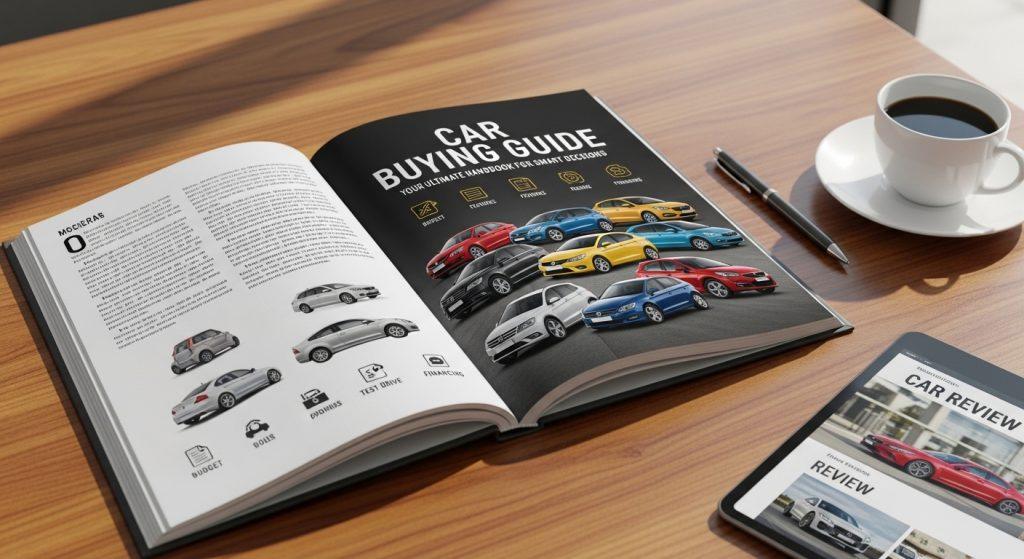
Car Buying Guide: How to Choose the Right Car for Your Lifestyle & Budget
Buying a car is one of the most significant financial decisions most people make. Whether you’re looking for a daily commuter, a performance machine, a family SUV, or your first electric vehicle, choosing the right car requires clarity, research, and strategy.
At SpeedRealm, we help drivers make confident decisions by breaking down performance, reliability, ownership costs, and real-world usability.
Because buying smart means driving smarter.
Step 1: Define Your Driving Purpose
Before comparing horsepower and features, ask yourself:
- Is this a daily commuter?
- Do you need family space?
- Are you performance-focused?
- Do you prioritize fuel economy?
- Are you planning long road trips?
Your lifestyle should determine your vehicle class.
Step 2: Choose the Right Vehicle Category
🚗 Sedan
Best for:
- Daily commuting
- Fuel efficiency
- Comfortable city driving
Advantages:
- Lower cost
- Better fuel economy
- Easier parking
🚙 SUV / Crossover
Best for:
- Families
- Higher driving position
- Versatility
Advantages:
- Spacious interior
- Flexible cargo space
- All-wheel drive options
🏎️ Sports Car
Best for:
- Driving enthusiasts
- Weekend performance
- Track days
Advantages:
- Precision handling
- High power output
- Emotional driving experience
⚡ Electric Vehicles (EVs)
Best for:
- Urban drivers
- Lower running costs
- Environmental awareness
Advantages:
- Instant torque
- Lower maintenance
- Quiet driving
Consider:
- Charging infrastructure
- Battery range
- Resale value
Step 3: Set a Realistic Budget
Car ownership costs include more than the sticker price.
Consider:
- Insurance
- Maintenance
- Fuel or electricity
- Tires and brakes
- Depreciation
- Registration & taxes
A safe rule:
Total car expenses should not exceed 15–20% of your monthly income.
Step 4: New vs Used
Buying New
Pros:
- Full warranty
- Latest technology
- No previous wear
Cons:
- Immediate depreciation
- Higher price
Buying Used
Pros:
- Lower purchase price
- Slower depreciation
- More value for money
Cons:
- Potential wear issues
- Shorter warranty
Certified pre-owned vehicles often balance both.
Step 5: Performance Considerations
If driving experience matters, evaluate:
- Horsepower & torque
- 0–60 acceleration
- Transmission type
- Drivetrain (FWD / RWD / AWD)
- Suspension tuning
Performance specs should match your driving needs — not just numbers.
Step 6: Reliability & Ownership Costs
Before buying, research:
- Long-term reliability ratings
- Maintenance frequency
- Brand reputation
- Warranty coverage
- Parts availability
Some performance cars cost significantly more to maintain.
Step 7: Test Drive Strategy
Never skip a test drive.
Pay attention to:
- Steering feedback
- Brake feel
- Seat comfort
- Cabin noise
- Visibility
- Infotainment usability
A 20-minute drive can reveal more than hours of research.
Step 8: EV-Specific Buying Factors
If considering electric vehicles:
- Real-world range vs advertised range
- Charging time (Level 2 vs Fast charging)
- Battery warranty
- Charging network access
- Software update ecosystem
EV ownership requires infrastructure awareness.
Step 9: Financing vs Cash Purchase
Evaluate:
- Interest rates
- Loan term
- Down payment size
- Total interest paid
Shorter loan terms reduce long-term cost.
Avoid overextending for emotional purchases.
Step 10: Resale Value & Depreciation
Some vehicles retain value better than others.
Factors influencing resale:
- Brand reputation
- Market demand
- Reliability perception
- Limited production models
- EV battery degradation concerns
Luxury vehicles often depreciate faster than mainstream models.
Best Car Types by Buyer Profile
👨💼 Urban Professional
- Compact sedan
- Entry luxury car
- Compact EV
👨👩👧 Family Driver
- Mid-size SUV
- Hybrid SUV
- Reliable crossover
🏁 Performance Enthusiast
- Rear-wheel drive sports car
- Manual transmission option
- Track-capable coupe
🌱 Eco-Conscious Buyer
- EV with strong range
- Plug-in hybrid
- Fuel-efficient compact
Common Car Buying Mistakes
- Ignoring total ownership cost
- Buying based on hype alone
- Overpaying during peak demand
- Skipping vehicle history checks
- Not comparing insurance costs
Informed buyers avoid emotional pressure.
Future Trends in Car Buying
The automotive market is evolving toward:
- Electric dominance
- Subscription ownership models
- Online direct-to-consumer sales
- Software-based vehicle features
- Autonomous driving assistance
Smart buyers adapt early to market shifts.
Final Thoughts: Buy for Lifestyle, Not Ego
The best car is not the most powerful or expensive — it is the one that fits your life, budget, and long-term plans.
Buying smart means understanding trade-offs.
At SpeedRealm, our goal is to simplify the complexity of modern car buying — so your decision is confident and informed.
Internal Linking Strategy (SEO Critical)
From this Buying Guide Hub page, you should link to:
- Best Sports Cars Under $50K
- Best SUVs for Families
- EV Buying Guide 2026
- Used Car Inspection Checklist
- Sedan vs SUV Comparison
- Most Reliable Cars Ranked
Each page should link back here using anchor text such as:
“complete car buying guide”
This builds authority around:
- how to buy a car
- best car buying guide
- which car should I buy
- car comparison guide
- EV buying guide