“Impact of COVID-19 on the Auto Industry: Trends and Predictions for the Future”
Impact of COVID-19 on the Auto Industry: Trends and Predictions for the Future The COVID-19 pandemic has left a profound impact on industries worldwide, with the auto industry experiencing s.
“Impact of COVID-19 on the Auto Industry: Trends and Predictions for the Future”
Updated: April 8, 2026
Impact of COVID-19 on the Auto Industry: Trends and Predictions for the Future
The COVID-19 pandemic has left a profound impact on industries worldwide, with the auto industry experiencing significant shifts. These changes have influenced production lines, consumer behavior, and even technological advancements. As we navigate through a post-pandemic world, understanding these trends and predicting future developments is crucial for stakeholders across the spectrum. This article delves into the various ways COVID-19 has reshaped the auto industry and what lies ahead.
Disruption in Manufacturing and Supply Chains
At the onset of the pandemic, the auto industry faced immediate disruptions in its manufacturing processes and supply chains. Many production plants around the world were forced to shut down temporarily to comply with health regulations and ensure the safety of workers. This led to a significant drop in vehicle production, impacting the availability of new cars.
Supply chains were equally affected, with delays in the delivery of essential components. For example, the global semiconductor shortage has continued to hinder automotive production. The reliance on just-in-time inventory practices exposed vulnerabilities in the supply chain, prompting manufacturers to reassess and adapt their strategies for greater resilience.
Shifts in Consumer Behavior and Demand
The pandemic has altered consumer behavior dramatically. With many people facing financial uncertainties, the demand for new vehicles saw a decline during the early months of the pandemic. However, as remote work became the norm and public transport was deemed risky, there was a noticeable shift towards personal mobility solutions.
The preference for private vehicles increased, leading to a surge in demand for used cars. Moreover, there was a growing interest in electric vehicles (EVs) as consumers became more environmentally conscious and looked for cost-effective long-term solutions. This shift has pushed automakers to accelerate their plans for EV production and innovation.
Acceleration of Digital Transformation
COVID-19 has fast-tracked the digital transformation within the auto industry. With lockdowns and social distancing measures in place, dealerships and manufacturers had to pivot to digital platforms to maintain engagement with consumers. Virtual showrooms, online sales, and digital financing options have become commonplace.
The adoption of online services has not only improved customer experience but also expanded market reach. Consumers now have the convenience of browsing vehicles, completing purchases, and arranging for home deliveries—all through digital channels. This shift is expected to continue shaping the future of automotive retail.
Emergence of New Business Models
Amidst the challenges, new business models have emerged to adapt to changing consumer needs and market conditions. Subscription services for vehicles are becoming popular, offering consumers flexibility and access to a variety of vehicles without the commitment of ownership.
Additionally, the focus on mobility-as-a-service (MaaS) is gaining traction, with companies exploring ride-sharing and car-sharing services as viable options for urban transportation. These models not only cater to evolving consumer preferences but also present opportunities for companies to diversify their revenue streams.
Environmental and Regulatory Changes
The pandemic has also highlighted the importance of environmental sustainability in the auto industry. With improved air quality observed during lockdowns, there is increased pressure on the industry to reduce emissions and adopt greener technologies. Governments worldwide are implementing stricter environmental regulations and offering incentives for the adoption of electric and hybrid vehicles.
Automakers are responding by investing heavily in research and development to create eco-friendly vehicles. The push towards sustainable practices is expected to continue driving innovation in vehicle design and manufacturing processes.
The Future Outlook: Predictions and Strategies
As the world gradually recovers from the pandemic, the auto industry is poised for a transformative journey. The trends observed during COVID-19 are likely to have lasting effects, with several predictions guiding the future landscape of the industry.
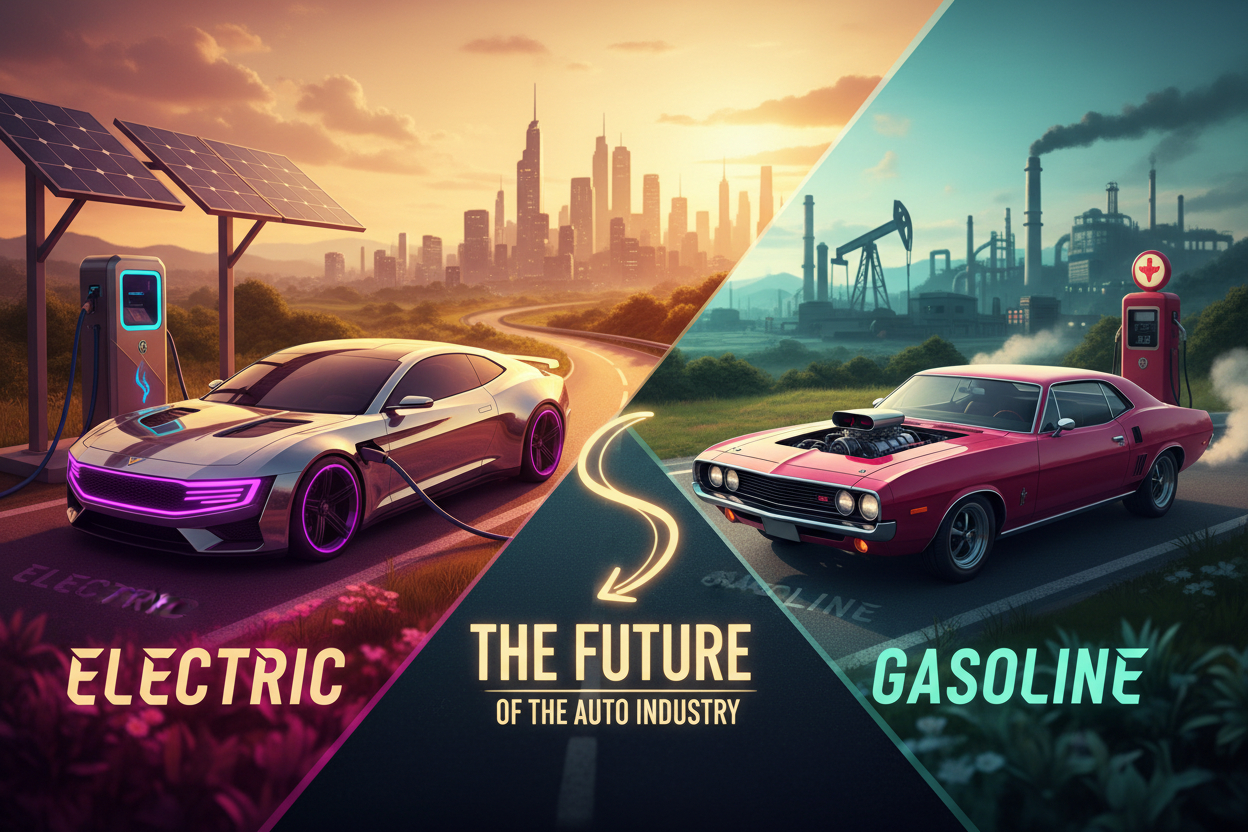
Firstly, the shift towards electric vehicles is expected to gain momentum, driven by consumer demand and regulatory pressures. Automakers are likely to expand their EV offerings and invest in charging infrastructure to support widespread adoption.
Secondly, digitalization will remain a key focus. Companies that embrace digital tools and platforms will be better positioned to cater to evolving consumer expectations and streamline their operations. The integration of technologies such as artificial intelligence and the Internet of Things (IoT) in vehicles will also enhance connectivity and personalization.
Lastly, collaboration and partnerships will play a crucial role in navigating the challenges posed by the pandemic. Automakers, suppliers, and tech companies are likely to form alliances to share resources, expertise, and technologies, fostering innovation and resilience across the industry.
Takeaways
The COVID-19 pandemic has undoubtedly reshaped the auto industry, presenting both challenges and opportunities. From disruptions in manufacturing to shifts in consumer behavior and the acceleration of digital transformation, the industry is undergoing a significant evolution.
Looking ahead, the focus on sustainability, digitalization, and innovative business models will drive the future of the auto industry. By embracing these changes and adapting to new market dynamics, stakeholders can not only recover from the pandemic’s impact but also thrive in an increasingly competitive landscape. The journey towards a more resilient and forward-thinking auto industry has begun, and its success will depend on the ability to anticipate and adapt to future trends and challenges.
Investment in Electric Vehicle Infrastructure
One of the most significant shifts in the auto industry is the increased investment in electric vehicle (EV) infrastructure. With the global emphasis on reducing carbon emissions, governments and private sectors are pouring resources into developing an extensive network of EV charging stations. This infrastructure is crucial for supporting the growing number of electric vehicles on the road and alleviating consumer concerns about range anxiety.
For example, companies like Tesla have been actively expanding their Supercharger network to ensure that EV owners have access to efficient and reliable charging options. Similarly, partnerships between governments and private companies are emerging to create public charging stations in urban and rural areas, further promoting the adoption of electric vehicles.
Advancements in Autonomous Vehicle Technology
The pandemic has also accelerated research and development in autonomous vehicle technology. With social distancing becoming a norm, the potential for contactless transportation solutions has gained attention. Autonomous vehicles (AVs) offer the promise of reducing human involvement in driving, thereby minimizing the risk of virus transmission.
Companies such as Waymo and others are at the forefront of developing self-driving technology, conducting trials and testing in various environments to ensure safety and efficacy. The advancements in sensors, machine learning, and AI are paving the way for a future where AVs could become a staple in urban transportation, logistics, and personal mobility.
Focus on Sustainability and Circular Economy
The auto industry’s focus on sustainability has grown beyond just producing electric vehicles. Manufacturers are now exploring the principles of a circular economy, where resources are reused, recycled, and regenerated to minimize waste and environmental impact. This approach involves designing vehicles with recyclability in mind, using sustainable materials, and adopting energy-efficient manufacturing processes.
For instance, companies are investing in recycling technologies to recover valuable materials from end-of-life vehicles and reintroduce them into the production cycle. These efforts not only reduce the environmental footprint of the auto industry but also offer cost savings and promote a more sustainable business model.
Enhanced In-Car Technology and Connectivity
The demand for enhanced in-car technology and connectivity has surged as consumers seek more from their driving experience. Infotainment systems, advanced driver-assistance systems (ADAS), and seamless smartphone integration have become key selling points for modern vehicles.
The integration of connected car technologies is transforming vehicles into smart devices on wheels. These technologies enable features such as real-time traffic updates, remote diagnostics, and over-the-air software updates, enhancing the convenience and safety of driving.
As vehicle connectivity continues to evolve, automakers are also exploring partnerships with tech companies to deliver innovative solutions that cater to the digital lifestyle of consumers.
Conclusion: Navigating the Post-Pandemic Automotive Landscape
The impact of COVID-19 on the auto industry has been transformative, ushering in a new era of innovation and adaptation. As we look to the future, the industry is set to undergo further changes driven by technological advancements, consumer preferences, and environmental considerations.
Embracing electric and autonomous vehicles, investing in digitalization, and prioritizing sustainability will be key strategies for automakers to thrive in the post-pandemic landscape. The lessons learned from the pandemic have provided valuable insights into building a more resilient and agile industry capable of withstanding future disruptions.
Ultimately, the auto industry’s success will depend on its ability to anticipate and respond to emerging trends, collaborate across sectors, and maintain a strong focus on customer needs and sustainability. As these dynamics continue to unfold, the auto industry is poised to play a pivotal role in shaping the future of transportation and mobility.